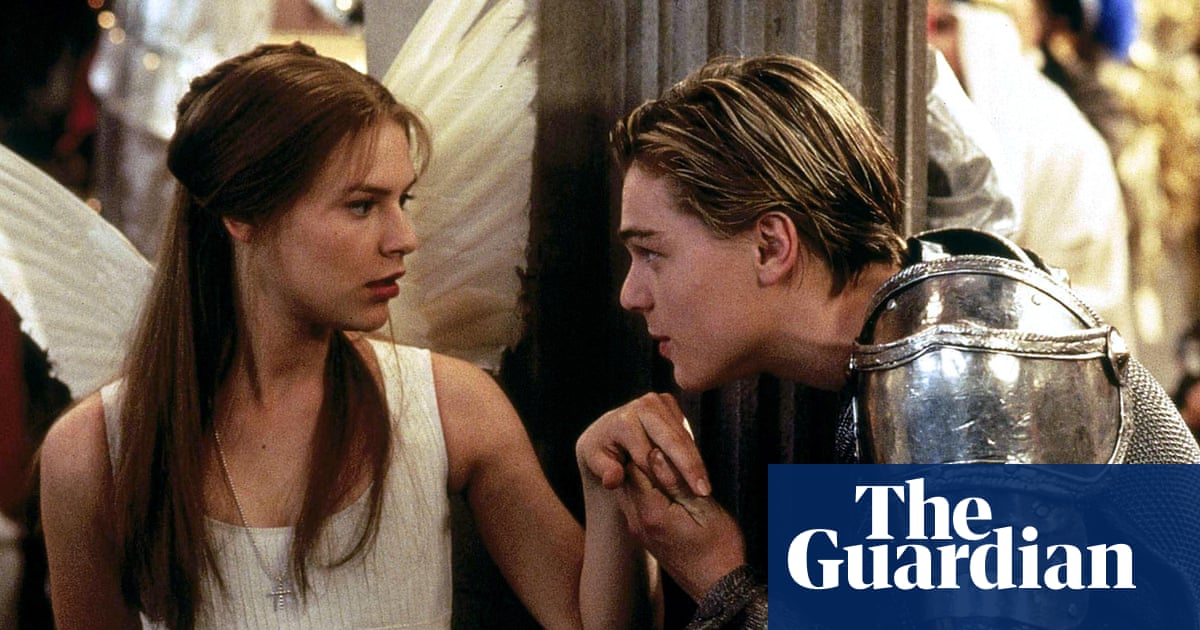
Thirty years after its initial release, the 1996 adaptation of a classic theatrical tragedy remains a defining cultural touchstone for how classical literature can be reimagined for modern audiences. The film took the foundational story of love-addled teenagers and family feuds and mapped it onto a vibrant, sun-scorched beach city marked by tropical gang warfare, fast cars, and media-circus hysteria. Rather than treating the 16th-century verse with austere reverence, the production embraced the high-volume melodrama, restless energy, and emotional intensity inherent in the original text.
From its opening moments broadcast via television news anchors reporting on civil strife, the movie made it clear it was discarding rigid classicism. The Montagues and Capulets were cast as rival urban factions complete with customized weaponry, Hawaiian shirts, and Cuban-heeled boots, reflecting a 1990s cultural fascination with gangland aesthetics and tabloid culture. This maximalist approach, paired with a frenetic editing style and a genre-defining soundtrack featuring prominent alternative rock acts, turned what could have been a standard literary adaptation into an energetic sensory experience.
While contemporary critics sometimes dismissed the film as garish or overwhelming, it resonated deeply with audiences and became a staple introduction to literature for high school classrooms worldwide. The performances of the film's two leads captured the raw, untamable earnestness of youth, anchoring the stylized chaos with genuine vulnerability. Supporting performances, particularly John Leguizamo as a sharp-shooting antagonist and Harold Perrineau as a drag-clad Mercutio, injected further theatrical flair into the production.
Reactions from viewers reflect the deep impression the movie left across generations, with one fan noting, "John Leguizamo’s Tybalt and Harold Perrineau’s Mercutio alone are worth the admission, but the whole cast is fantastic!" Another recalled the enduring appeal of the atmosphere, sharing, "I can't really explain what an impact this movie made on 12yo me when it first released. Just magic. And you can bet I bought myself the soundtrack.
Not everyone was immediately won over by the hyper-kinetic style, as some viewers found the relentless pacing challenging. However, supporters argue that the heightened energy was precisely what made the drama work. As one viewer observed, "Turning everything up to 11 is probably the best way to do Shakespeare. Especially a story that's all emotion like this one."
Decades later, the film’s influence is visible across subsequent theatrical revivals, modern teen media, and popular culture at large. By stripping away the dust of antiquity and presenting the material with visceral urgency, the production proved that classical stories can remain intensely alive when approached with passion and theatrical audacity.

