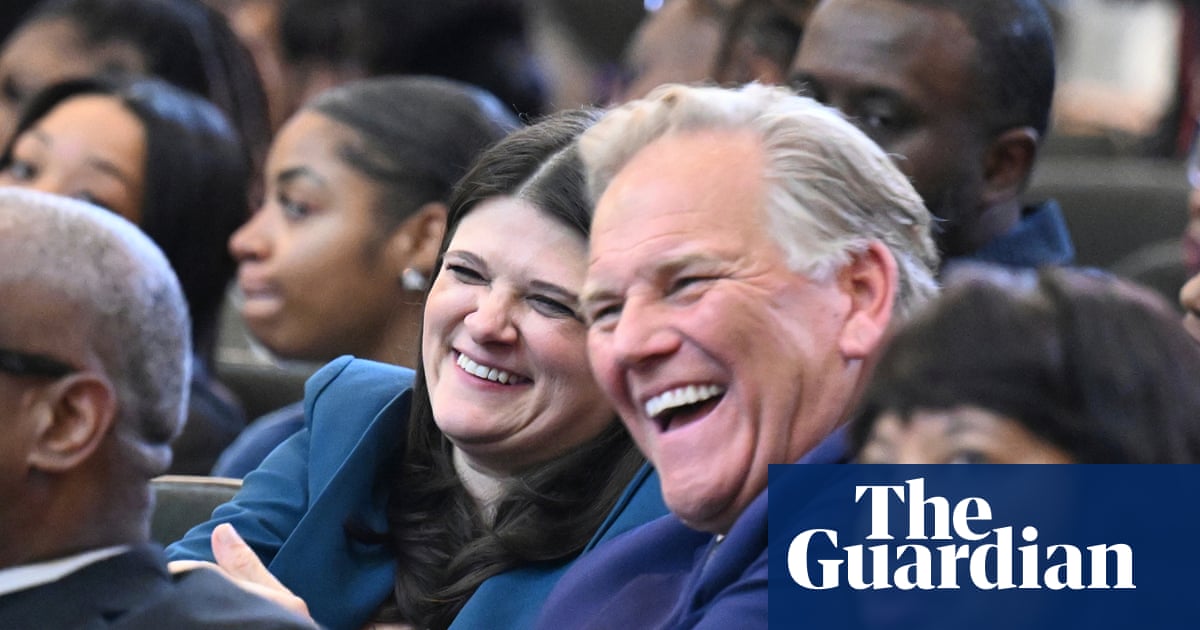
For Representative Haley Stevens, the path from Democratic Senate candidate to campaigning alongside a conservative opponent she once condemned as a rubber stamp for Donald Trump has been remarkably brief. The issue defining every step of this unexpected cross-party alignment is support for Israel, transforming what could have been a routine intra-party debate into an open rift.
Having lost her primary bid against candidate Abdul El-Sayed, Stevens chose to endorse Republican Mike Rogers. The decision surprised political observers because it elevated a candidate whose platform sharply contrasts with standard Democratic positions, apparently driven by El-Sayed's refusal to align with her stance on foreign aid.
A Record-Breaking Primary Battle
The primary contest saw unprecedented spending by pro-Israel political action committees aiming to secure Stevens's nomination and defeat El-Sayed. An estimated $30 million flowed into the race from outside groups, making it one of the costliest investments in a single primary contest. Despite the financial advantage, El-Sayed won the primary, maintaining a platform centered on domestic economic reforms, universal healthcare, and reducing the influence of large political donations.
In the final stretch of the primary, tensions escalated over an independent political advertisement that attributed high consumer prices to foreign aid spending. Although the advertisement was produced by an outside group and explicitly disavowed by El-Sayed's campaign, Stevens demanded further denunciations. A planned unity event in Detroit featuring senior party leadership was canceled after Stevens released a detailed statement accusing her primary rival of accommodating antisemitism.
Subsequent media appearances did little to clarify the reasoning behind the sudden endorsement. Asked what had prompted her swift pivot to supporting a former political rival, Stevens struggled to offer a clear policy rationale, describing her decision as a personal relief while citing interpersonal friction during the primary campaign.
Broad Party Backlash and Finance Questions
The reaction from party leaders across the political spectrum was immediate and negative. Senate Minority Leader Chuck Schumer called the endorsement "a despicable betrayal," while local party officials signaled that Stevens would no longer be welcomed at party-sponsored events or recognized as an active member. Critics also pointed to the influence of outside campaign funding, noting that political committees backing Stevens subsequently directed significant funds toward her Republican opponent.
For many observers, the situation highlights broader questions about campaign finance and the role of large political action committees in domestic elections. The scale of the spending led many commentators and voters to question whether financial backing outweighs party platform considerations.
"Money is the real power; ideology is just window dressing.
When it comes down to it money allies with money uber alles."
Others pointed to the legal structures surrounding political activity and corporate contributions, arguing that existing campaign finance regulations fail to prevent massive financial outlays from dictating political outcomes.
"Both Mike Rogers and Haley Stevens received large campaign donations... Campaign finance reform would be really great. The rulings for Citizens United and PACs needs to be revisited by SCOTUS and Congress, bipartisan, in favor of democracy."
Policy Divergence and the Trail Ahead
Throughout the campaign, El-Sayed has maintained a focus on economic issues, advocating for Medicare for All, curbing corporate influence, and redirecting federal spending toward domestic priorities. His position that military aid to foreign nations should be re-evaluated to address domestic needs remains a central theme, contrasting sharply with Stevens's voting record and traditional foreign policy stance.
While conservative leaders welcomed the unexpected cross-party endorsement, the move threatens to deepen divisions within the state's electorate rather than unify voters behind a single candidate. As election day approaches, the fallout from this high-stakes endorsement underscores how foreign policy and campaign finance continue to reshape modern political alliances.

